
When it comes to metalworking, understanding the differences between fine blanking vs stamping is crucial for selecting the best method for your specific needs. At Australia Metal Stamping, we specialize in providing high-quality metal stamping solutions and can help you determine which process is most suitable for your project.
What is Fine Blanking?
Fine blanking is a precision metal forming technique that allows for the production of parts with very tight tolerances, smooth edges, and minimal burrs. It’s ideal for creating complex, high-precision parts used in industries like automotive, electronics, and medical devices. Fine blanking uses a specialized press and tooling system, which ensures that the material is cut precisely with minimal distortion, producing parts with exceptional edge quality and dimensional accuracy.
What is Stamping?
Stamping involves the process of shaping or cutting metal sheets into desired forms using a stamping press. The stamping process typically involves higher pressures and is more versatile, making it ideal for producing large quantities of parts with less stringent tolerances. It can be used for simple shapes or more complex designs, depending on the requirements. While stamping offers high-speed production and efficiency, the edge quality might not be as fine as that produced with fine blanking.
Fine Blanking vs Stamping: Key Differences
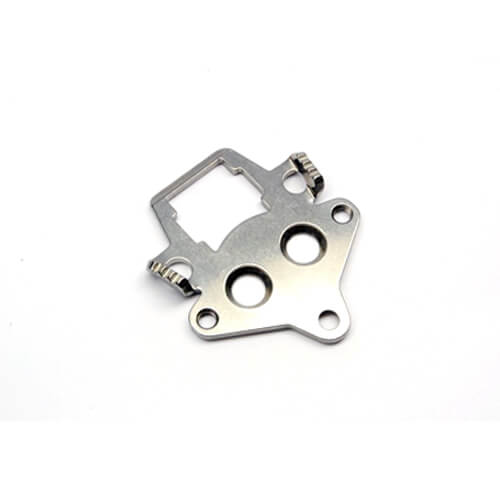
- Precision: Fine blanking is ideal for parts requiring precise dimensions, smooth edges, and tight tolerances, whereas stamping is best suited for larger production runs of less intricate parts.
- Edge Quality: Fine blanking provides superior edge quality with minimal burrs, while stamping may leave edges that require further finishing.
- Cost-Effectiveness: While fine blanking is more expensive due to its precision, stamping is more cost-effective for high-volume production with simpler designs.
- Production Speed: Stamping offers faster turnaround times for larger quantities, whereas fine blanking is slower but ensures higher-quality parts with precise measurements.
Which Method Should You Choose?
If your project requires high-precision parts with smooth edges, fine blanking might be the ideal solution. However, if you’re looking for cost-effective, high-volume production, stamping could be the better choice. At Australia Metal Stamping, we are experts in both processes and can help guide you in selecting the best option for your needs. Contact us today to discuss your project and learn more about how our fine blanking vs stamping services can help you achieve exceptional results.
Fine Blanking vs Stamping: Which is Right for Your Project?
When it comes to metalworking, understanding the differences between fine blanking vs stamping is crucial for selecting the best method for your specific needs. At Australia Metal Stamping, we specialize in providing high-quality metal stamping solutions and can help you determine which process is most suitable for your project.
What is Fine Blanking?
Fine blanking is a precision metal forming technique that allows for the production of parts with very tight tolerances, smooth edges, and minimal burrs. It’s ideal for creating complex, high-precision parts used in industries like automotive, electronics, and medical devices. Fine blanking uses a specialized press and tooling system, which ensures that the material is cut precisely with minimal distortion, producing parts with exceptional edge quality and dimensional accuracy.
What is Stamping?
Stamping involves the process of shaping or cutting metal sheets into desired forms using a stamping press. The stamping process typically involves higher pressures and is more versatile, making it ideal for producing large quantities of parts with less stringent tolerances. It can be used for simple shapes or more complex designs, depending on the requirements. While stamping offers high-speed production and efficiency, the edge quality might not be as fine as that produced with fine blanking.
Fine Blanking vs Stamping: Key Differences
- Precision: Fine blanking is ideal for parts requiring precise dimensions, smooth edges, and tight tolerances, whereas stamping is best suited for larger production runs of less intricate parts.
- Edge Quality: Fine blanking provides superior edge quality with minimal burrs, while stamping may leave edges that require further finishing.
- Cost-Effectiveness: While fine blanking is more expensive due to its precision, stamping is more cost-effective for high-volume production with simpler designs.
- Production Speed: Stamping offers faster turnaround times for larger quantities, whereas fine blanking is slower but ensures higher-quality parts with precise measurements.
Which Method Should You Choose?
If your project requires high-precision parts with smooth edges, fine blanking might be the ideal solution. However, if you’re looking for cost-effective, high-volume production, stamping could be the better choice. At Australia Metal Stamping, we are experts in both processes and can help guide you in selecting the best option for your needs. Contact us today to discuss your project and learn more about how our fine blanking vs stamping services can help you achieve exceptional results.